
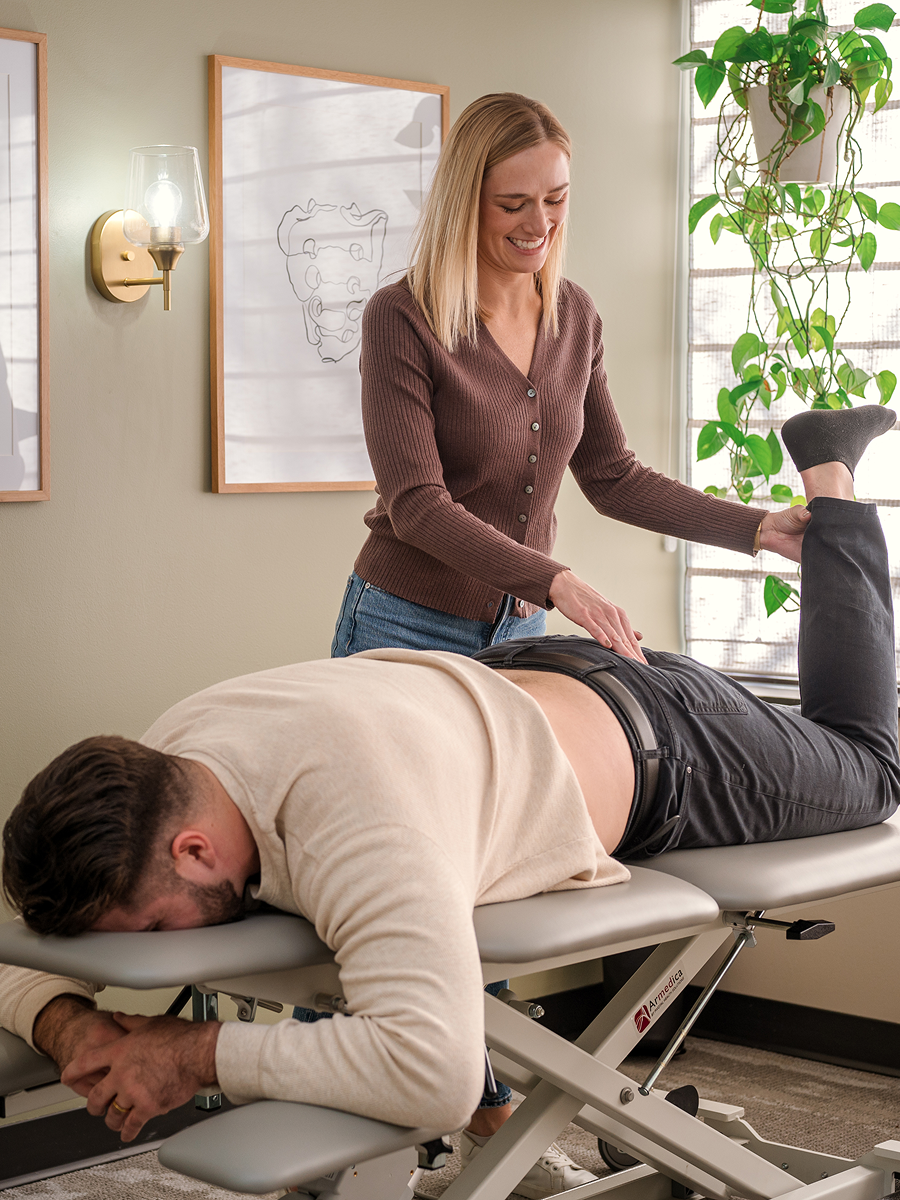
Pelvic Floor Therapy for Men in Omaha
Specialized pelvic floor physical therapy for men experiencing pelvic pain, urinary symptoms, sexual dysfunction, or lingering symptoms after prostate procedures. At Pelvic Wellness, we take a whole-body approach to care with personalized, one-on-one treatment designed to help improve movement, bladder and bowel function, recovery, and overall quality of life.
We also offer Shockwave Therapy as part of a comprehensive approach to treating chronic pelvic pain and erectile dysfunction.
Common Pelvic Conditions We Treat in Men
Our pelvic floor physical therapy programs are designed to address a wide range of pelvic health concerns in men, including:
Pelvic Pain
Persistent pelvic pain, groin pain, or lower abdominal discomfort that interferes with sitting, exercise, movement, and everyday activities.
Urinary Frequency
Frequent urination, urinary urgency, leakage, incomplete emptying, or difficulty controlling normal bladder function.
Erectile Dysfunction
Pelvic floor dysfunction, muscular tension, circulation issues, and post-procedure changes can contribute to erectile dysfunction.
Bowel Disfunction
Persistent discomfort through the pelvis, groin, or hips, or that may interfere with movement, exercise, sitting, or daily activities.
Hip & Low Back Pain
Frequent urination, urinary urgency, incomplete emptying, or difficulty controlling bladder function.
Other Pelvic Health Concerns
Pelvic floor dysfunction, tension, circulation issues, and muscular coordination can contribute to sexual health concerns.
Our Treatment Approach
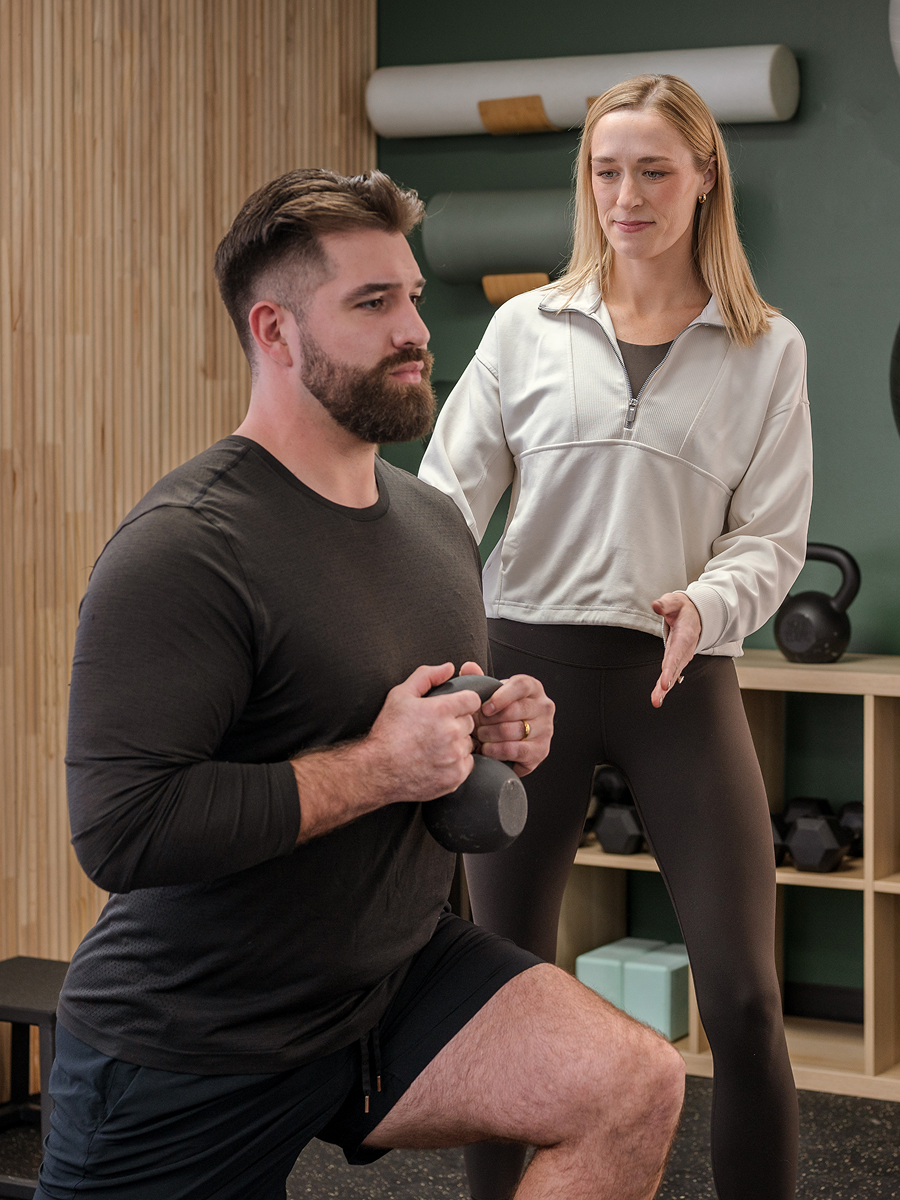
At Pelvic Wellness, we take a one-on-one, whole-body approach to pelvic floor therapy for men. Every treatment plan is individualized based on your symptoms, goals, movement patterns, lifestyle, and activity level.
Our care may include:
Movement assessment and mobility training
Pelvic floor coordination and muscle control
Strength and stability training
Breathing mechanics and core function
Manual therapy and soft tissue work
Hip, spine, and pelvic mobility treatment
Education around posture, exercise, recovery, and daily habits
We understand that pelvic health concerns can feel frustrating, private, and sometimes difficult to talk about. Our goal is to create a comfortable and supportive environment where you feel informed, respected, and confident throughout your care.
Frequently Asked Questions: Pelvic Floor Therapy for Men in Omaha
How do I know if my pelvic floor may be contributing to my symptoms?
Pelvic floor dysfunction is often overlooked because symptoms can resemble orthopedic, urologic, or gastrointestinal issues. Persistent pelvic pain, urinary symptoms, tension through the hips or abdomen, pain during exercise, or symptoms that have not fully improved with traditional treatment can all be signs that the pelvic floor may be involved.
What does treatment typically involve?
Treatment is individualized based on your symptoms, goals, and movement patterns. Sessions may include movement assessment, breathing mechanics, mobility work, pelvic floor coordination, strength training, manual therapy, and education around posture, exercise, and daily habits. The goal is to improve function while addressing the root cause of symptoms.
How does pelvic floor therapy differ from traditional physical therapy?
Pelvic floor physical therapy includes specialized training focused on the pelvic floor muscles and their relationship to the rest of the body. Treatment often looks beyond the site of pain and addresses breathing, core function, posture, mobility, and nervous system regulation as part of a comprehensive approach.
How long does it typically take to see improvement?
This depends on the individual and the nature of the symptoms. Some patients notice improvement within a few sessions, while others benefit from a more gradual approach. Consistency, lifestyle factors, activity level, and symptom history all play a role in recovery.
What should I expect during the first appointment?
Your first visit includes a detailed conversation about your symptoms, health history, activity level, and goals, followed by a movement and physical assessment. Every treatment plan is tailored to the individual, and all aspects of care are explained thoroughly so you feel informed and comfortable throughout the process.